The Tesla Model S transformed the automotive industry by redefining electric vehicle performance, software-defined cars, and digital innovation. Even as production ends, its influence remains unmatched.
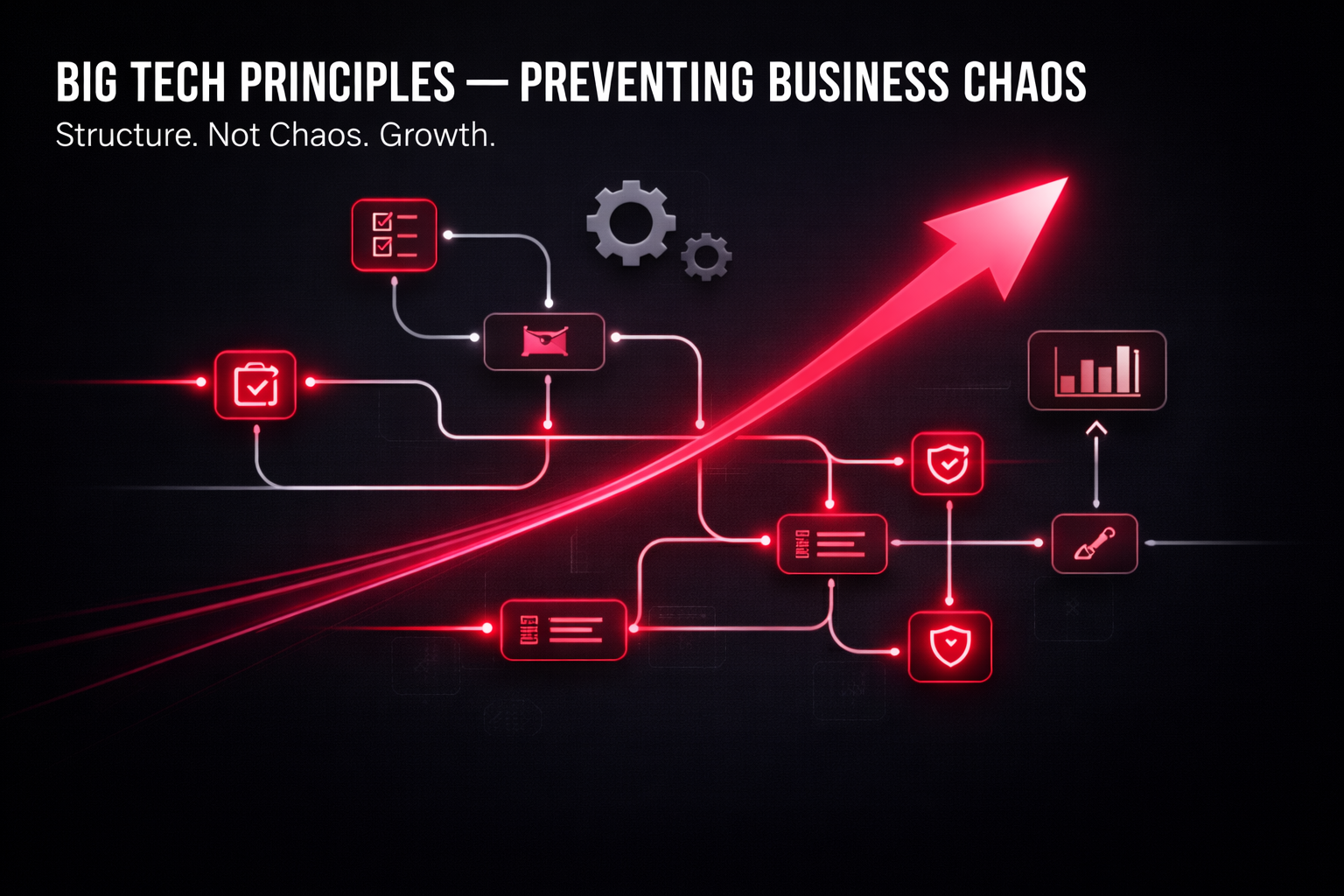
Big Tech Principles That Prevent Business Chaos — and Why Most Companies Learn Them Too Late
Most business problems don’t start with bad products or weak teams.They start quietly — buried inside messy processes, unclear responsibilities, and decisions made without visibility. When the damage becomes visible, it’s usually already expensive. Big Tech companies don’t avoid operational chaos by accident. They’ve learned, often the hard way, that growth without structure is not growth — it’s risk. And while smaller companies may believe these practices only apply at massive scale, the truth is simpler and more uncomfortable: The earlier you ignore process discipline, the harder it becomes to survive growth. This is where many businesses lose control — not because they lack ambition, but because they underestimate fundamentals. The Silent Cost of Poor Process Management Disorganized operations rarely collapse overnight.They erode performance slowly. At first, this feels manageable.Later, it becomes a bottleneck. Big Tech companies learned long ago that operational debt behaves like financial debt — it compounds. What Big Techs Do Differently (and Consistently) Despite differences in products or markets, Big Tech companies share core operational habits that protect them from chaos. 1. Processes Exist Before Problems Appear Big Tech does not wait for failure to organize. They: This doesn’t slow them down — it prevents firefighting. Many smaller companies only document processes after something breaks. By then, damage control replaces strategy. 2. Decisions Are Built on Data, Not Instinct Intuition matters — but it’s not scalable. Big Tech relies on: This allows faster, safer decisions. In contrast, many companies operate with scattered spreadsheets, delayed reports, and fragmented visibility — turning every decision into a gamble. 3. Automation Is a Foundation, Not a Luxury Automation isn’t about replacing people.It’s about protecting them from unnecessary work. Big Tech automates: This reduces errors, frees time, and increases consistency. Smaller businesses often delay automation, believing it’s “something for later.” Ironically, this delay creates the very overload that makes automation feel impossible. 4. Clarity Beats Speed When Scaling Big Tech understands one critical rule: Speed without clarity creates fragility. They prioritize: Many companies scale revenue faster than their operations can handle — and collapse internally under success. Why Small and Mid-Sized Companies Miss These Signals The issue is not ignorance — it’s perception. Process management is often seen as: But in reality, lack of structure is far more costly. When processes are unclear: Big Tech learned this lesson early. Many others learn it only after crises force change. Translating Big Tech Discipline Into Real-World Businesses The difference between theory and execution is where most companies struggle. This is where companies like Goat play a critical role — not by copying Big Tech models, but by adapting their principles to real operational realities. The focus is not complexity.It’s clarity. The goal is simple: prevent chaos before it becomes normal. Structure Is Not the Opposite of Agility One of the biggest myths in business is that structure slows innovation. Big Tech proves the opposite. Well-designed processes: Chaos feels flexible — until it breaks. Most companies don’t fail because they lack vision.They fail because their operations can’t sustain that vision. Big Tech didn’t become efficient by chance.They built systems that prevent problems long before they surface. The question isn’t whether your company will need better process management.It’s whether you’ll build it proactively — or under pressure.
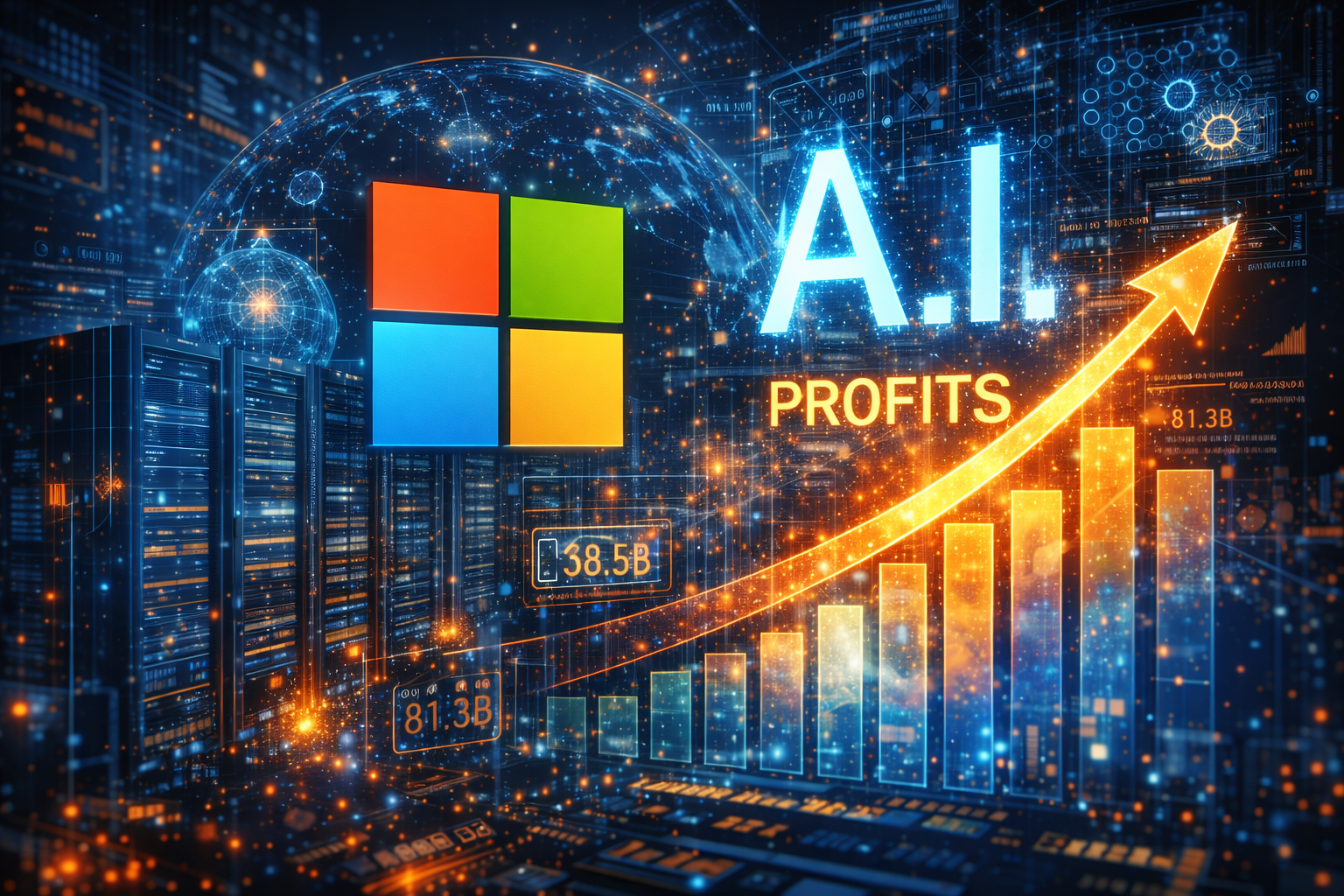
Microsoft Doubles Down on A.I. Investment as Profits Surge 60%
Microsoft posted strong quarterly results, with profits rising 60% year over year, even as it sharply increased spending on artificial intelligence infrastructure. The company continues to expand its data center capacity, driven by growing demand for A.I. services through Azure and its strategic partnership with OpenAI. The results highlight Microsoft’s long-term commitment to scaling artificial intelligence as a core pillar of its business.

🧬 AlphaGenome: How DeepMind’s AI Is Decoding the Dark Matter of Human DNA
AlphaGenome is a cutting-edge AI model developed by DeepMind that analyzes large regions of human DNA to predict how genetic variations affect gene regulation, disease risk and biological processes.

Doomsday Clock Moves to 85 Seconds to Midnight: Why Humanity Is Closer Than Ever to Global Collapse
The Doomsday Clock was set to 85 seconds to midnight in 2026, its closest point ever. Scientists cite nuclear tensions, climate change, artificial intelligence, biological risks and the rise of autocratic governance as key drivers behind the growing threat to humanity’s future.

How Computer Warfare Is Becoming Part of the Pentagon’s Arsenal
The U.S. military is transforming cyberwarfare from a hidden capability into a core battlefield asset, integrating digital attacks directly with conventional military operations.

Microsoft’s Water Paradox: How the AI Boom Is Reshaping Sustainability Goals
Driven by the rapid expansion of artificial intelligence, Microsoft internally projects that water consumption in its global data centers will more than double by 2030 compared to 2020 levels. The growing demand for AI infrastructure raises serious concerns about sustainability, especially as new facilities are built in regions already facing water scarcity, putting corporate environmental commitments under increasing scrutiny.

Elon Musk’s X Comes Under European Fire Over Sexualized A.I. Deepfakes
European regulators have opened a formal investigation into Elon Musk’s platform X over the spread of sexualized images generated by artificial intelligence. The case highlights growing global concerns around deepfakes, online safety, and the responsibility of tech platforms in the age of generative AI.
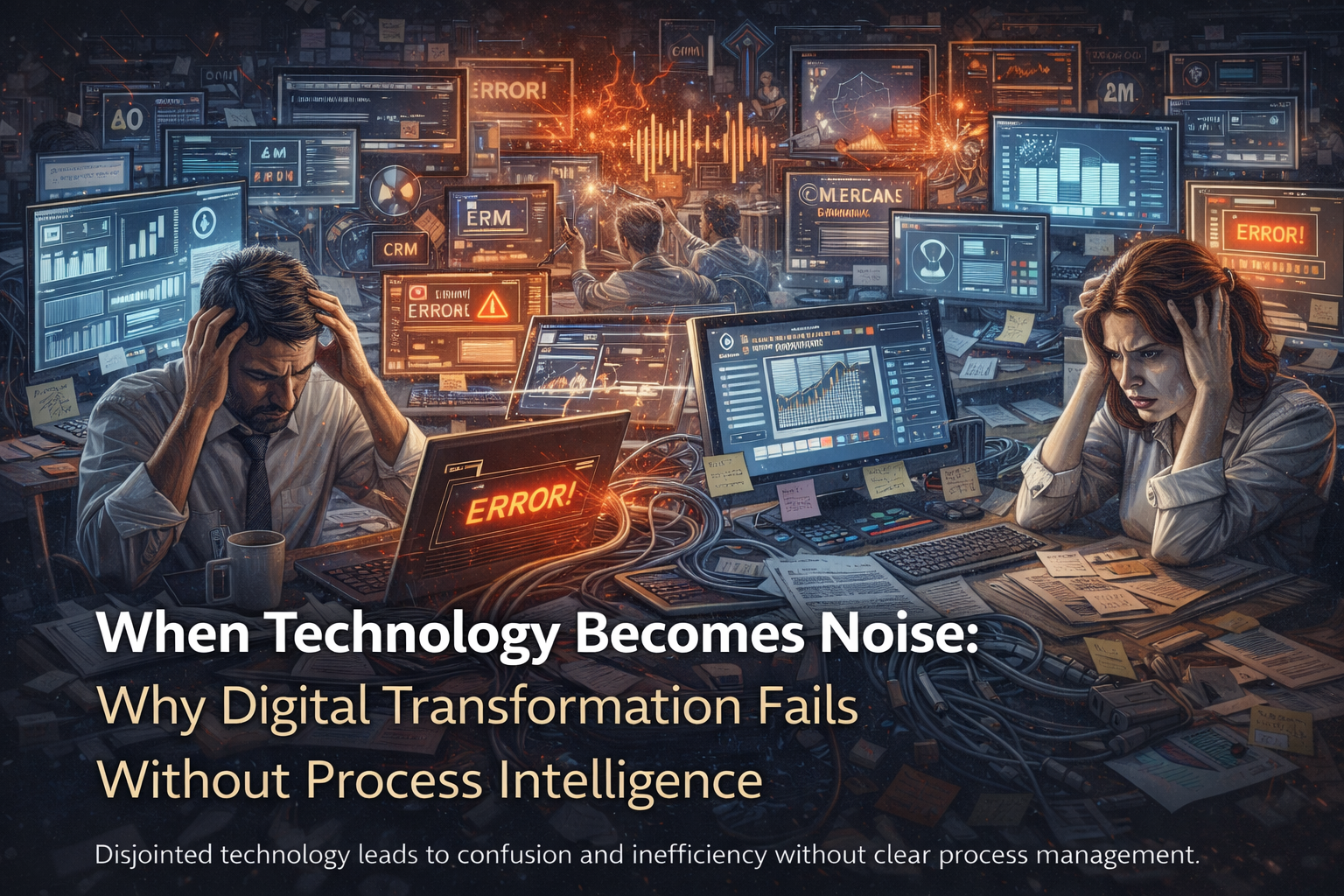
When Technology Becomes Noise: Why Digital Transformation Fails Without Process Intelligence
Why digital transformation often fails — and how process intelligence turns technology into a true driver of scalable business performance.
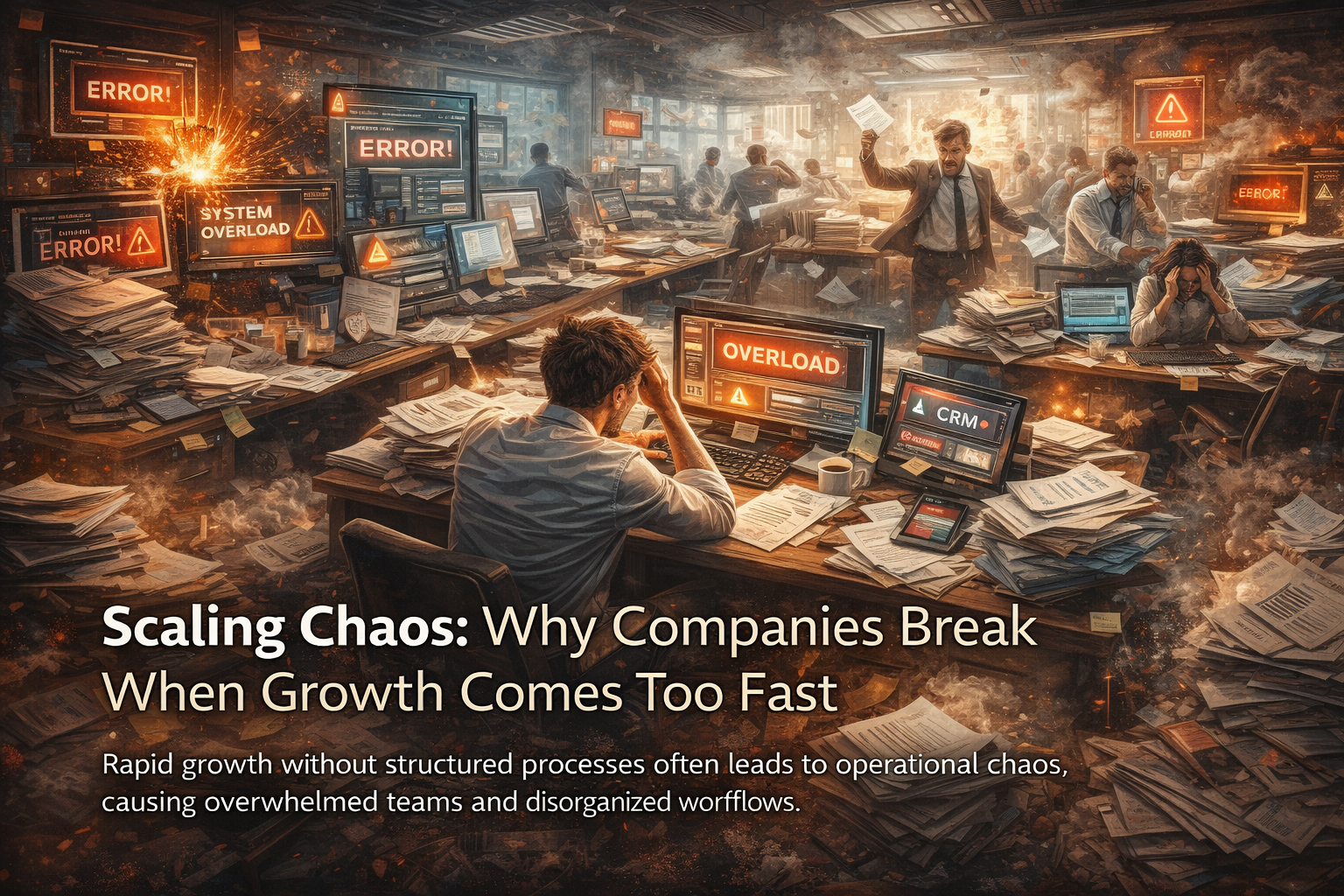
Scaling Chaos: Why Companies Break When Growth Comes Too Fast
Rapid growth exposes hidden operational flaws. Learn why companies break when scaling too fast — and how structured process management enables sustainable growth.